
Mayurbhanj Chhau
Mayurbhanj Chhau: The Crown Jewel of Odisha’s Cultural Heritage
The district of Mayurbhanj holds a prestigious place in the cultural history of Odisha, celebrated especially for its vibrant festival — Chaitra Parva, the annual showcase of the legendary Chhau dance. The Chhau of Mayurbhanj, known for its grace, vigor, and storytelling, stands as a magnificent and enduring art form, representing one of the three main styles of Chhau — alongside those of Saraikela (Jharkhand) and Purulia (West Bengal). This convergence of culture at the junction of three states gives Mayurbhanj Chhau a unique character rooted in martial tradition and artistic innovation.
Originally performed by the Paikas (warrior class), Chhau evolved from a military practice into a stylized folk-art form. While some believe the word “Chhau” originates from Chhauni (military camp), others suggest it is derived from terms like Chhabi (picturesque), Chhai (mask), and Chhaya (shadow), reflecting the symbolic and aesthetic layers of the dance.
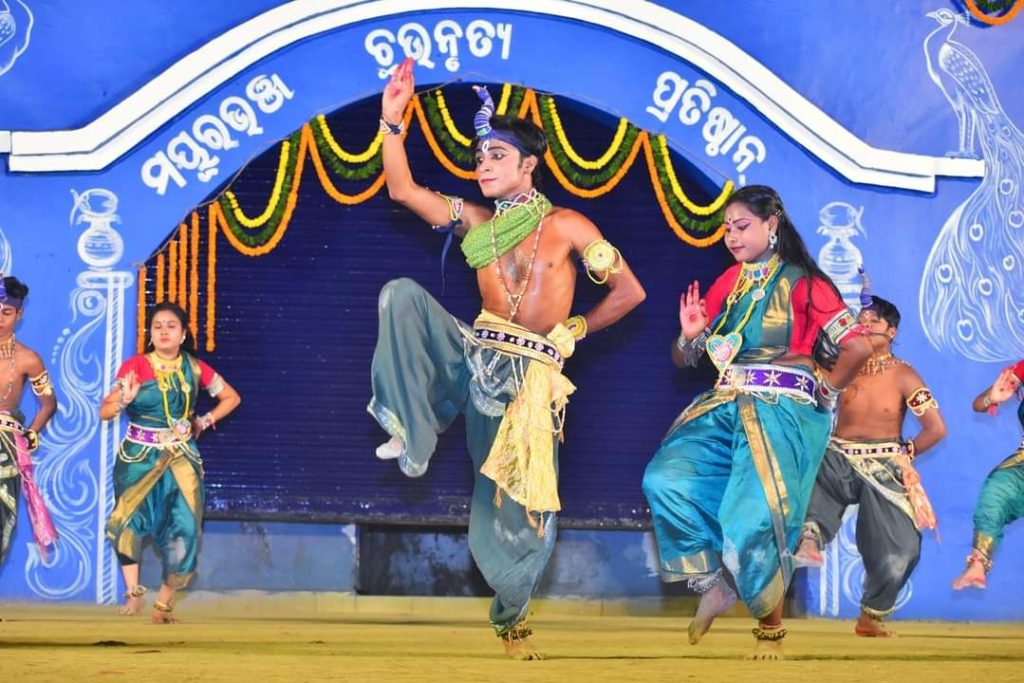
What distinguishes Mayurbhanj Chhau is its unmasked expression — a rarity among Chhau forms — where facial gestures and intricate body language replace the traditional use of masks. This allows for a more nuanced performance, communicating emotion and narrative through movement alone. The dance is renowned for its intricate bhangis (postures), stylized mudras (gestures), and rhythmic vitality, making it a vibrant medium for preserving and propagating Odisha’s artistic legacy.
Royal Patronage and Artistic Renaissance
The transformation of Chhau into a highly developed art form owes much to the royal house of Mayurbhanj, particularly under the reign of Maharaja Jadunath Bhanja (1823–1863). What began as a Rama Leela performance during Rama Navami gradually absorbed Chhau elements, especially after the arrival of Madan Singh Babu from Dhalbhum. With his influence, traditional Chhau musical instruments became integral to the performances.
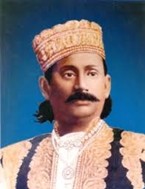
Significant strides were made under Maharaja Krushna Chandra Bhanja Deo (1868–1882), who initiated structured training for performers. Ustads (masters) like Upendra Biswal and Banamali Das were invited from Saraikela and were instrumental in codifying the art form within the twin performance groups of Uttarsahi and Dakshinsahi. These pioneers were honored with Lakharaj (tax-free) land grants, and their legacies continue through their descendants.
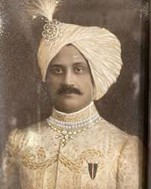
Subsequent rulers, including Maharaja Sriram Chandra Bhanja Deo, expanded the cultural canvas further. Under his guidance, Chhau performances became royal spectacles — notably competing for the prestigious Talcher Cup during the Chaitra-Sankranti celebrations. His brothers Shyam Chandra and Sreedam Chandra personally oversaw training and choreography, ensuring a high standard of performance. This period also saw the introduction of elaborate themes, dramatic costumes, and a shift away from masks, marking a stylistic departure unique to Mayurbhanj.
Chhau on the National Stage
In 1912, a pivotal moment arrived when Maharaja Sriram Chandra Bhanja Deo presented a grand War Dance in Calcutta to welcome Emperor George V and Queen Mary. Featuring 64 dancers in battle formations, clad in red and blue, the performance captivated the royal guests, earning praise and international recognition.
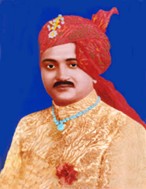
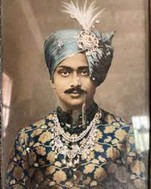
After the Maharaja’s death, Chhau suffered a temporary decline, but his successors — Maharaja Purna Chandra and later Maharaj Pratap Chandra Bhanja Deo — spearheaded its revival. Under Pratap Chandra’s patronage, annual grants were increased, committees were formed for each sahi, and innovation flourished. New dance themes emerged, inspired by classical Indian dance forms like Kathakali and Odissi. Cross-cultural synthesis became a hallmark — from Jhumar rhythms to tribal folk elements — all enriching the Chhau repertoire.
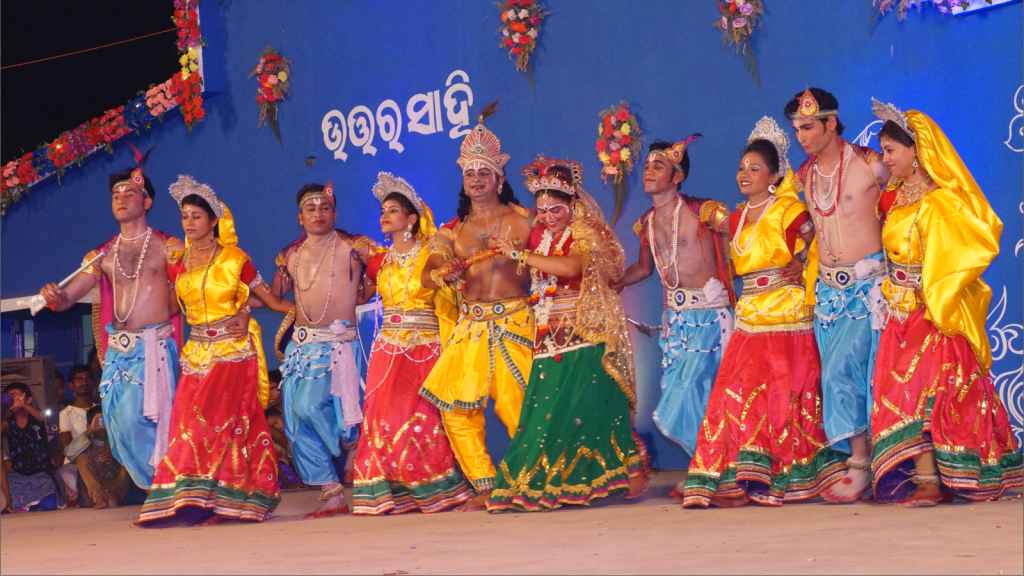
Under his rule, masterpieces such as Kaliya Dalan, Matru Puja, Meghaduta, Ras Leela, and Samudra Manthan were choreographed, signaling the zenith of Mayurbhanj Chhau’s artistic excellence.
Modern Preservation and Challenges
Following the merger of Mayurbhanj into Odisha in 1949, the tradition faced fresh challenges. Chaitra Parva remained dormant for six years, and royal patronage faded. To preserve the art form, dedicated artists and Ustads established the Mayurbhanj Chhau Nrutya Pratisthan (the Mother Organisation of Mayurbhanj Chhau dance) in 1960. Registered under the Societies Act, the institution included government officials like the District Collector as the President, the A.D.M. as the Vice-President, an O.A.S. Officer as the Secretary and some important persons from both the sahis as the cultural custodians who worked tirelessly to revive the Chhau.
In 1951–52, Odisha’s first Chief Minister Dr. H.K. Mahatab extended state support, initiating grants that laid the foundation for a sustainable ecosystem. By 1954–55, these were increased to support the growing number of performers.
Despite these efforts, Chhau has struggled to gain its rightful prominence. The spotlight in Odisha’s cultural policy has often tilted toward Odissi, sidelining this vigorous martial tradition. Yet, undeterred by limited recognition, Chhau artists have continued to practice and pass on the tradition with undiminished devotion.
In 2010, a century after its momentous performance in Calcutta, UNESCO inscribed Chhau on its Representative List of the Intangible Cultural Heritage of Humanity, acknowledging its global significance.
The Road Ahead: Revival through Recognition
As the world begins to take note of Mayurbhanj Chhau, there is an urgent need to institutionalize, protect, and promote it. Academic endorsement, university-level courses, copyright protection, and digital documentation can go a long way in preserving this priceless legacy. In an age dominated by digital media, Chhau can reinvent itself as a visual and narrative powerhouse if given the right platform.
The time has come for governments, cultural institutions, and the public to recognize Mayurbhanj Chhau not just as a dance form, but as a living embodiment of heritage — a powerful expression of history, identity, and resilience.